AutFLAGSHIP — NO-CODE AI AGENT BUILDERo docs

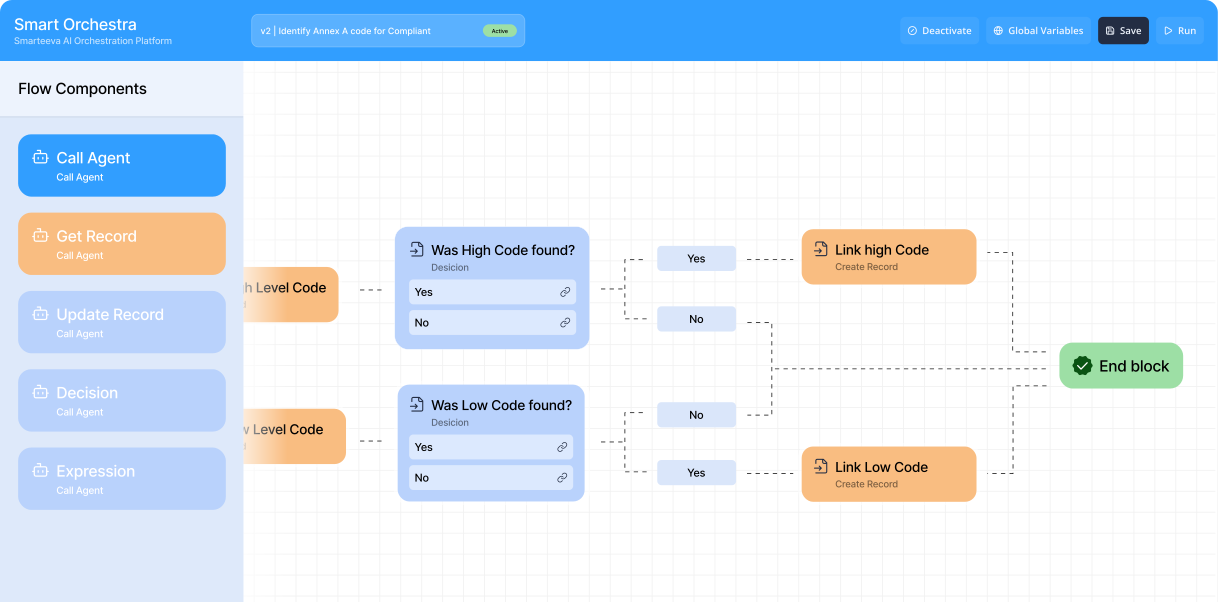
Smarteeva Orchestra:
Your Team Builds the AI. No Code. No Data Scientists.

Orchestra is a visual drag-and-drop canvas where Quality and Regulatory teams design AI agent workflows tailored to their specific devices, regulations, and processes.

Trusted by 450+ MedTech companies of every size
Complaint Intake & Classification
Complaints are captured, classified, and prioritized automatically, reducing hours of manual review and data entry.
Stronger safety detection
AI analyzes every complaint narrative to identify potential adverse events and safety signals that could be missed in manual review.
Accelerated regulatory work
Regulatory submissions and PMS reports are generated from real data in minutes instead of weeks of manual compilation.

Orchestra powers the AI behind every capability on this page. But it's also a builder. If your team has a workflow that's unique to your organization. A specific triage logic, a custom escalation path, a validation check nobody else needs, they can build an agent for it. In minutes. Without writing code.
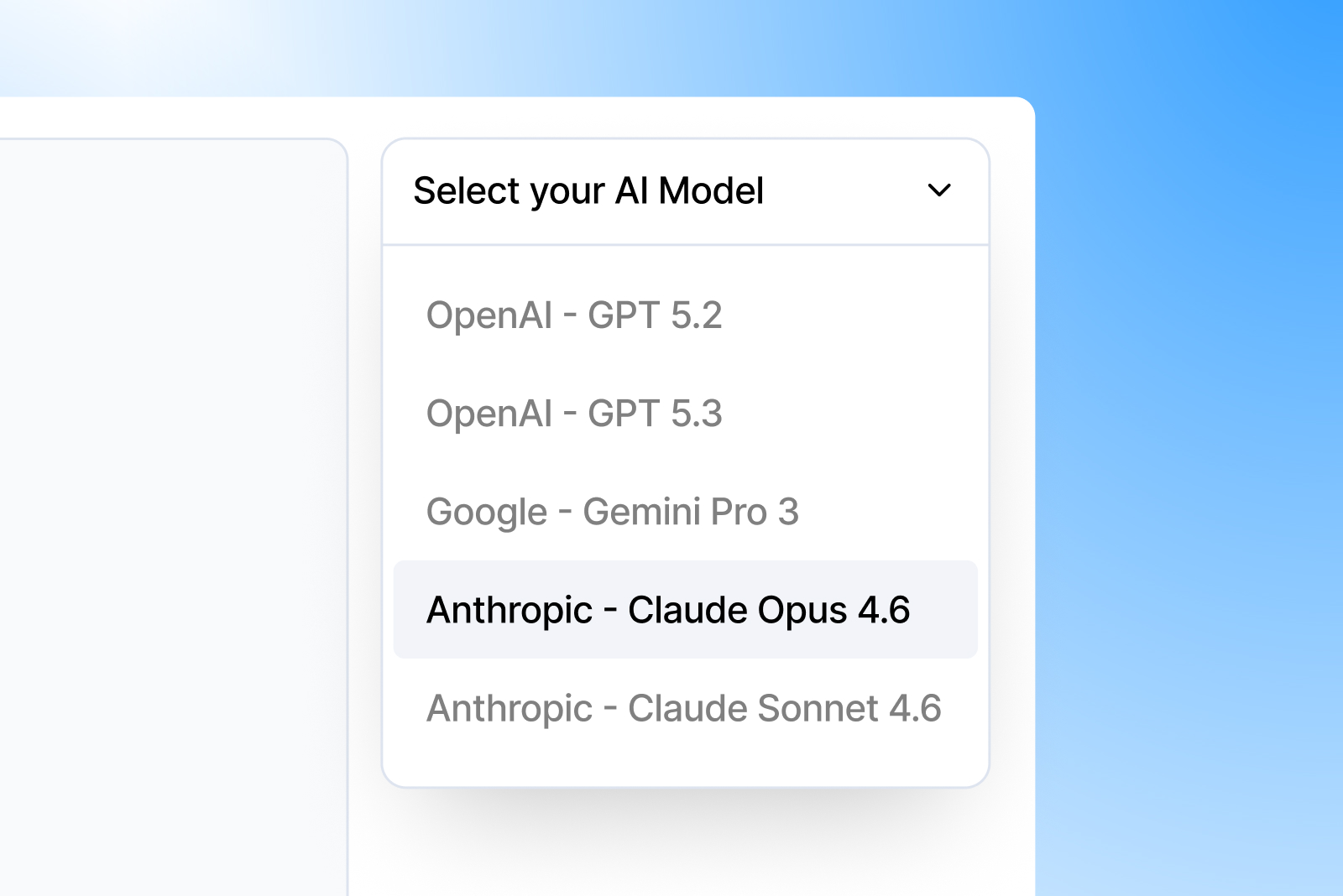
Choose your LLM provider
& connect your data sources.

Define guardrails and
validation rules.
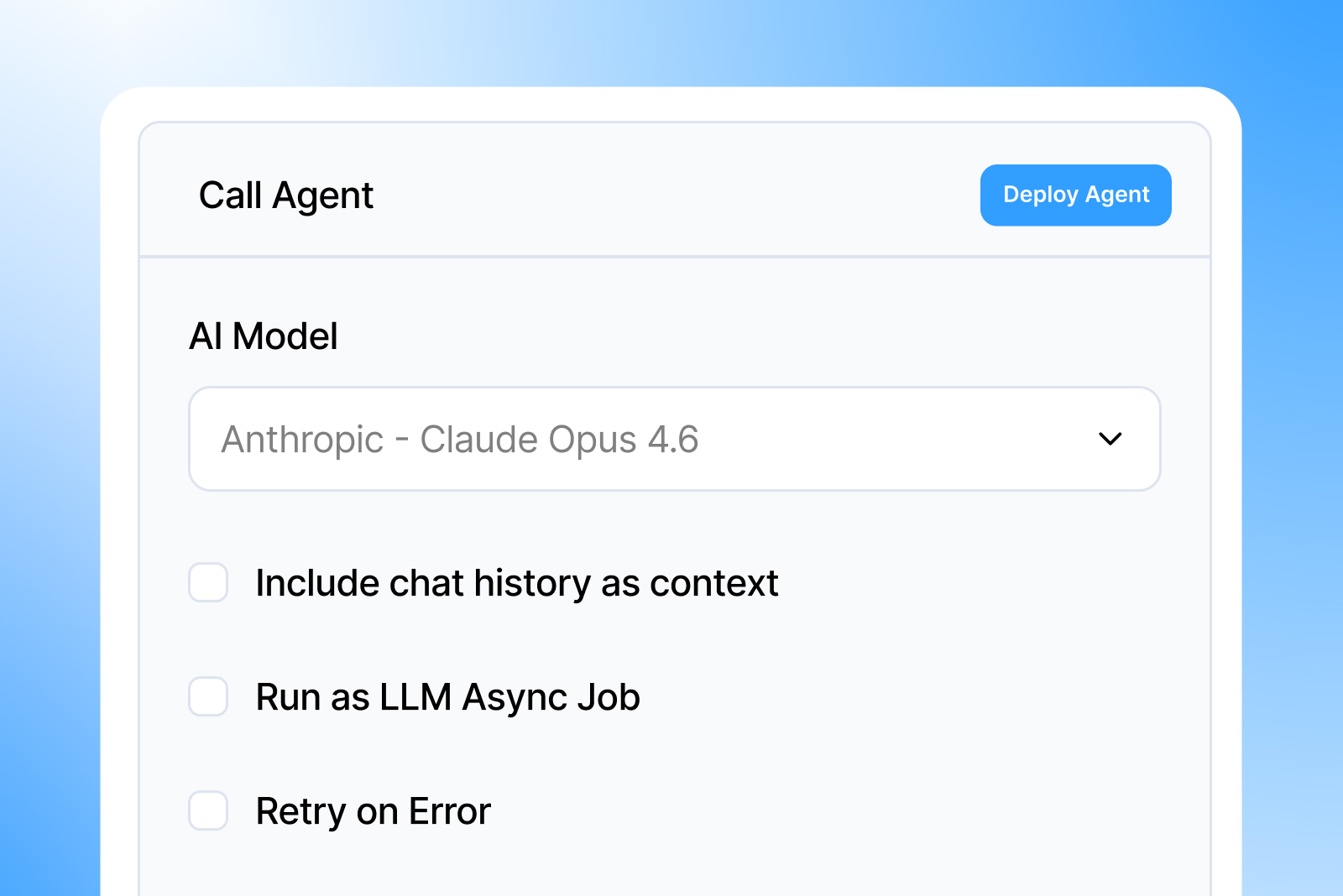
Deploy agents that run inside your
existing Salesforce workflow

AI at Every Stage.
From Intake to Submission

Smarteeva's AI is embedded across six critical stages of the post-market surveillance lifecycle. At each stage, AI handles the data-intensive work that slows humans down, while your team retains full control over every quality and regulatory decision.

01. Intake

Complaint Intake & Classification

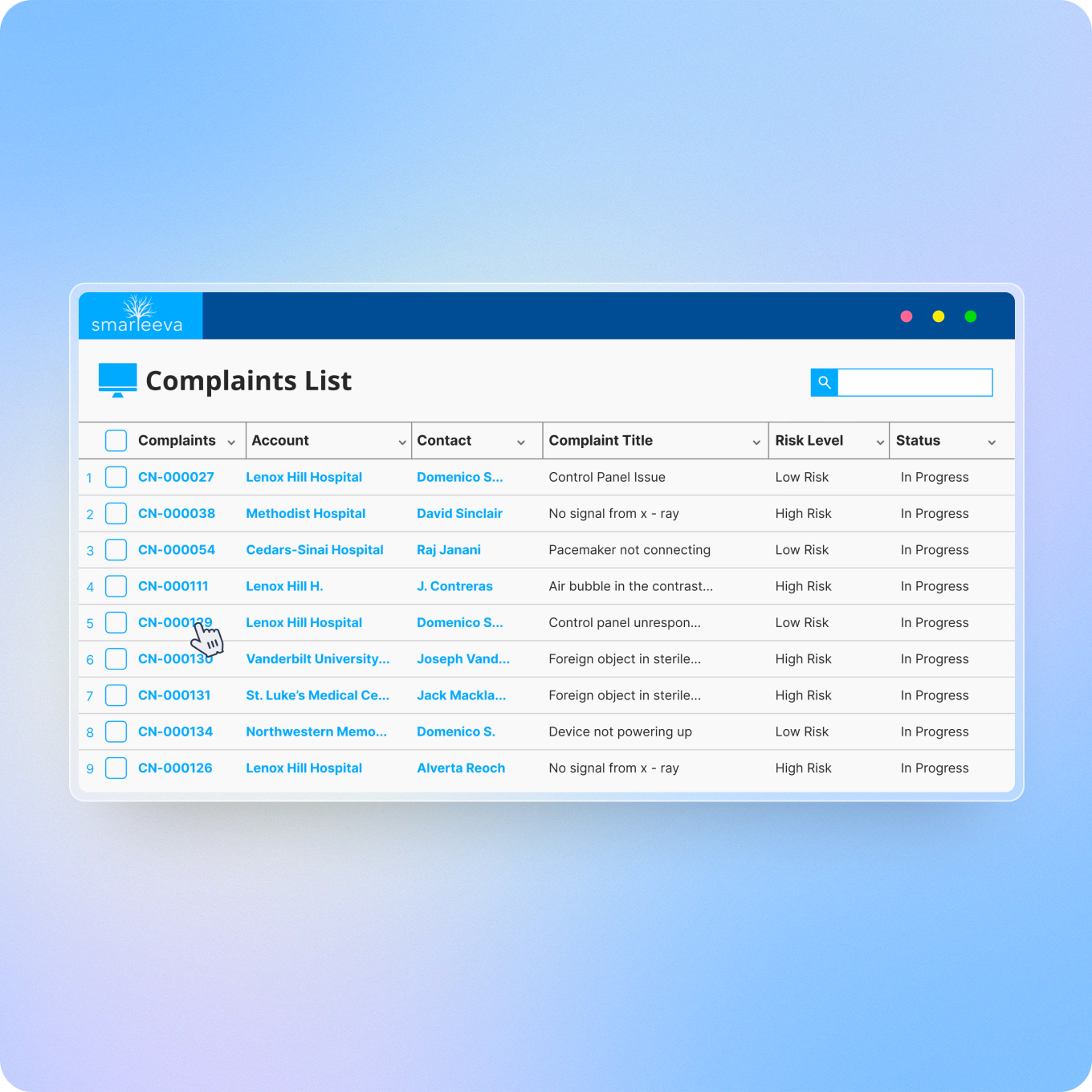
Complaints arrive from email, phone, web forms, and bulk imports, each in a different format, each missing different fields. Smarteeva AI reads unstructured complaint text, extracts product, patient, event, and reporter details, and creates a structured record automatically. Missing fields trigger a targeted follow-up, not a generic email chain.

What most teams deal with

Complaints triaged by whoever opens them first. Severity assessed inconsistently across reviewers. Critical cases buried under routine volume. No standardized scoring - just individual judgment under time pressure.

How Smarteeva AI Solves It

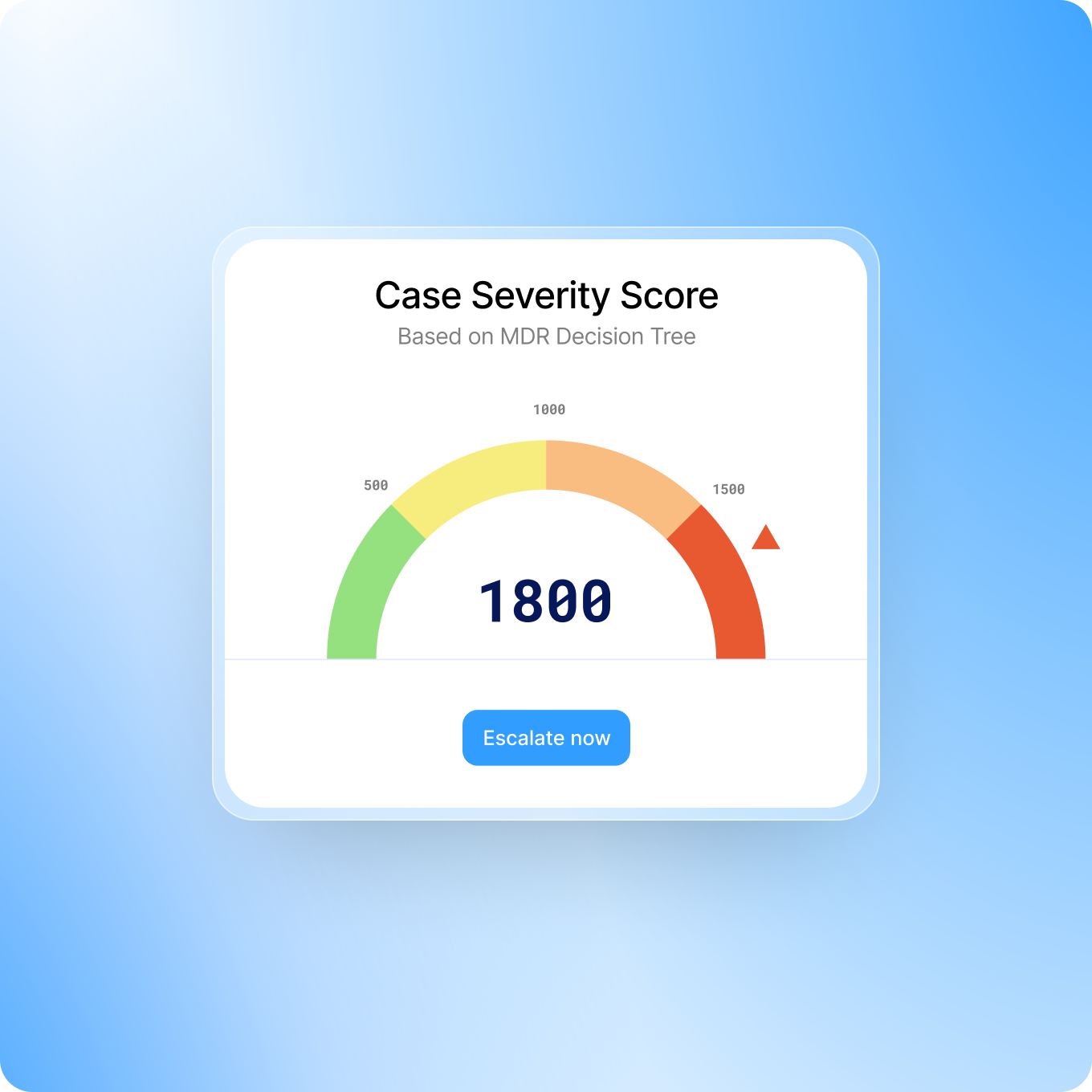
AI analyzes each complaint against the MDR decision tree logic and assigns a Case Severity Score. The score factors in event type (death, serious injury, malfunction), device classification, and narrative keywords that indicate patient impact. Cases above the threshold are flagged for immediate escalation. Scoring is consistent - Monday morning or Friday afternoon, first reviewer or hundredth.

What Your Team Gets

High-risk complaints identified in seconds, not hours. Consistent prioritization across every reviewer on the team. Escalation based on clinical risk, not queue position.

02. Triage

AI-Powered Triage & Prioritization

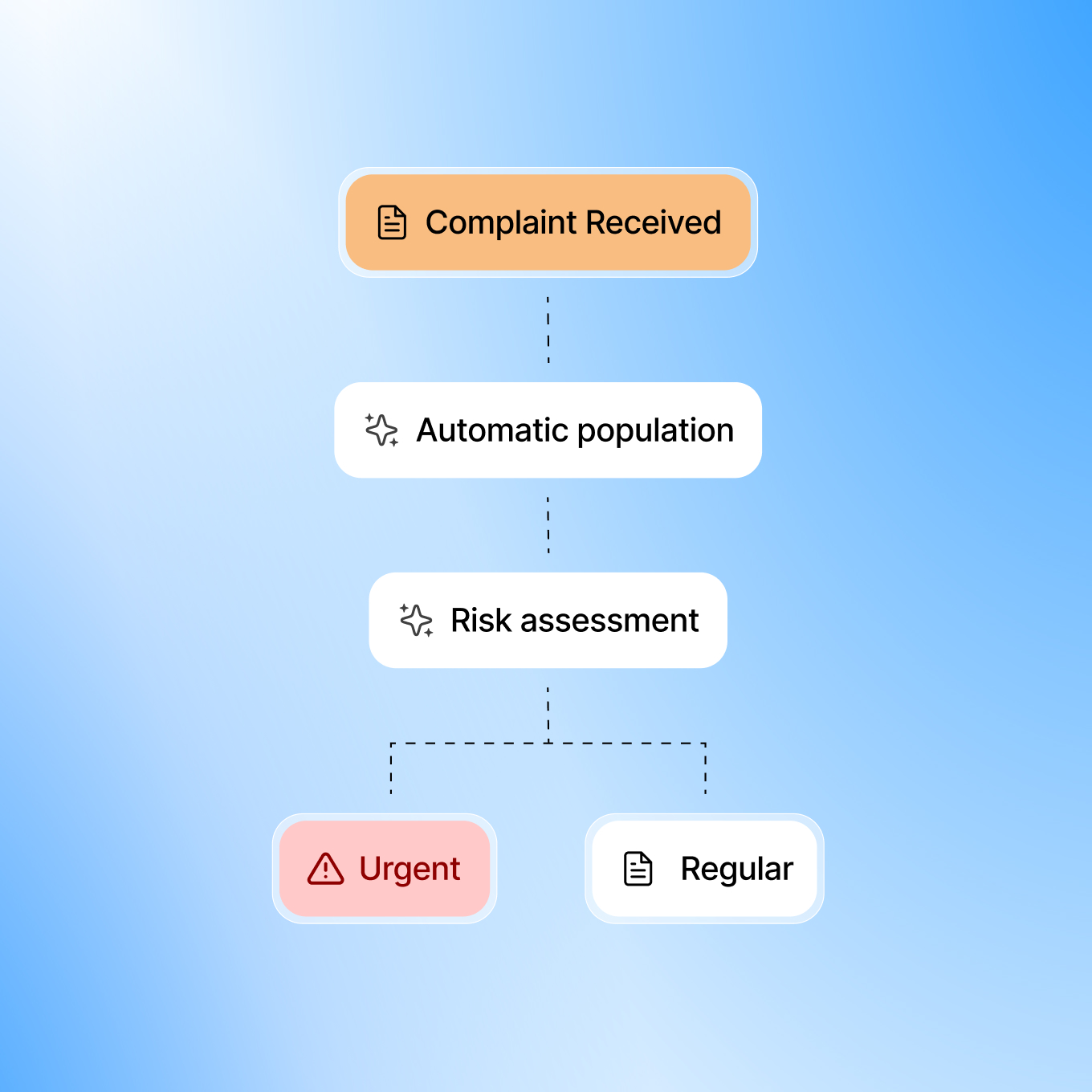
Complaint queues often mix critical and routine issues, forcing manual triage. Smarteeva AI instantly classifies and prioritizes complaints so high-risk cases are escalated immediately.
What most teams deal with

When every complaint sits in the same queue with the same priority, your team has to read through them one by one to determine which matters most. A critical adverse event report can sit next to a routine product inquiry for hours -or days, before someone triages it. The result: high-risk complaints don't get escalated fast enough, reporting deadlines tighten unnecessarily, and your team is constantly reactive.

How Smarteeva AI Solves It

The moment a complaint is captured, Smarteeva's AI runs automated decision trees to assess severity, regulatory impact, and risk level. Every complaint is classified and risk-scored in real time based on product history, complaint type, patient involvement, and historical patterns.
Critical complaints, those involving potential adverse events, serious injuries, or malfunctions, are flagged and escalated immediately to the appropriate team. Routine complaints are routed automatically based on configurable rules. Your team's attention goes where it has the most impact, not where it happens to land in the queue.
The classification isn't a black box. Smarteeva shows your team exactly how the AI scored each complaint and which factors drove the classification, so your quality professionals can review, validate, or override with full context.

What Your Team Gets

High-risk complaints surfaced immediately. Routine complaints handled automatically. Your team focuses on quality decisions instead of queue management.

03. Detection

Adverse Event Detection from Complaint Narratives

Adverse events can be hidden in vague complaint narratives and missed during manual review. Smarteeva AI scans every complaint to detect potential adverse events and flags them instantly for regulatory evaluation.
What most teams deal with

This is where the stakes are highest. When adverse event detection depends entirely on a human reading complaint narratives, often dozens or hundreds per week, reportable events slip through. The language in complaints is inconsistent, often vague, sometimes buried in technical detail. A patient injury might be described in a single sentence in the middle of a paragraph about a completely different issue. A product malfunction that constitutes a reportable event might be described in terms that don't match the regulatory definition.
The consequence of missing even one: an unreported adverse event, a late MDR filing, an FDA warning letter, and most importantly, a patient safety signal that didn't get the attention it deserved.

How Smarteeva AI Solves It


Smarteeva's natural language processing engine scans every complaint narrative line by line, every single time, to detect potential adverse events, product malfunctions, patient injuries, and safety signals. The AI doesn't rely on keyword matching. It understands context, identifies clinical concepts, and recognizes patterns in language that indicate reportable conditions, even when the complaint doesn't use standard regulatory terminology.
When a potential adverse event is detected, Smarteeva flags it immediately with supporting evidence: the specific language that triggered the flag, the type of event detected, and the regulatory framework under which it may be reportable. Your regulatory team gets a clear, evidence-backed alert, not a vague notification.
This isn't about replacing human judgment. It's about making sure no complaint narrative goes unreviewed, no matter how large the volume. AI processes every single complaint with the same level of attention - something that's impossible to sustain with manual review alone.

What Your Team Gets

A safety net that never gets tired, never skips a complaint, and never overlooks a sentence. Your regulatory team evaluates flagged events with full context and evidence, not guesswork.

04. Investigation

AI-Assisted Investigation

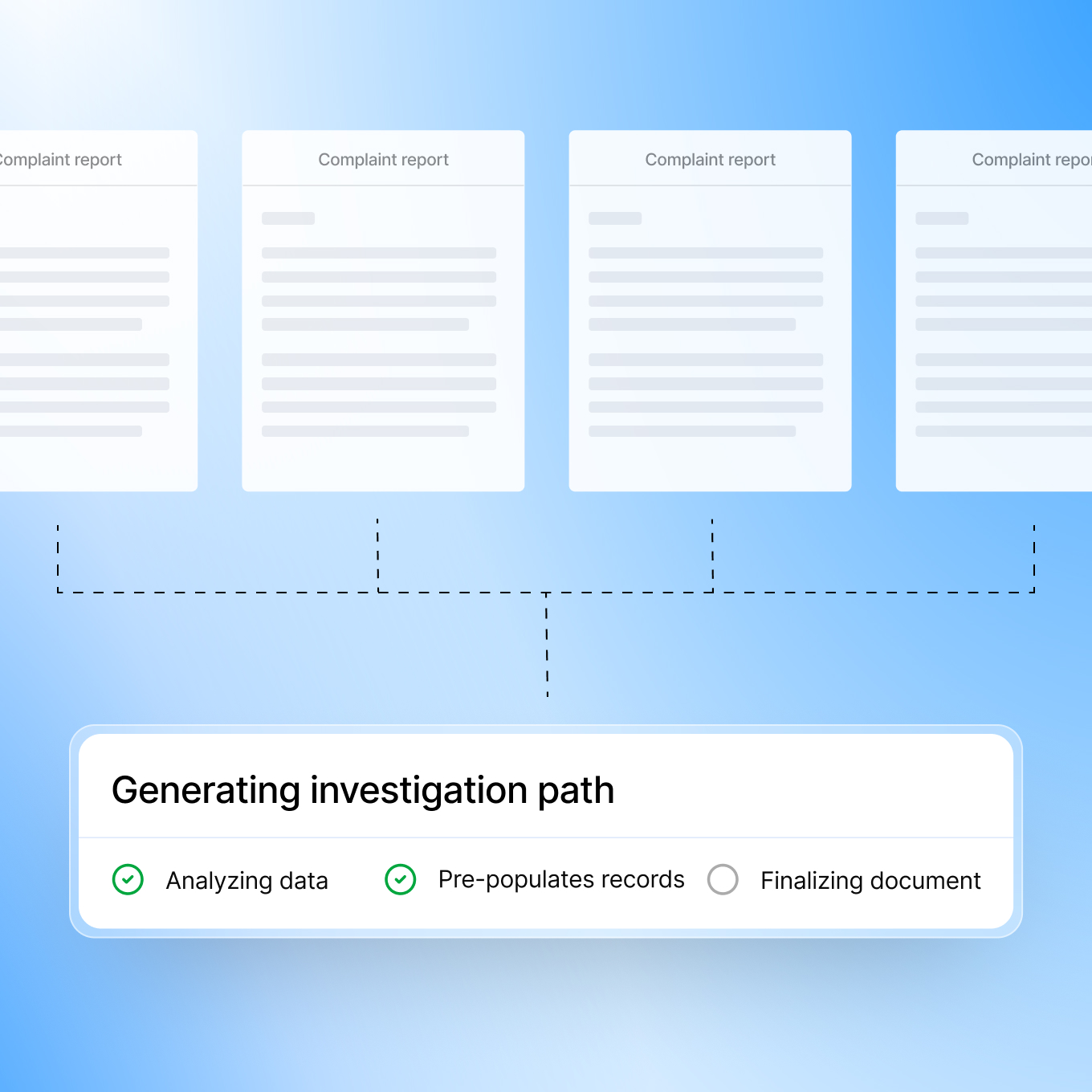
Investigations often start with blank forms and manual data gathering. Smarteeva AI surfaces similar past cases, suggests investigation paths, and pre-populates records to speed up root-cause analysis.
What most teams deal with

When an investigation is triggered, your team starts with a blank form. The investigator has to search for similar past complaints, try to remember what root causes were identified in comparable cases, figure out which assessment questions to ask, and manually build the investigation record from scratch. Investigations take weeks, not because the analysis is complex, but because the setup and data gathering consume enormous amounts of time.

How Smarteeva AI Solves It

 Smarteeva's machine learning engine doesn't leave your investigators starting from scratch. When an investigation begins, AI analyzes the complaint data and draws on your organization's historical complaint records to provide intelligent starting points.
The system surfaces similar past complaints and their outcomes, so investigators can see what root causes were identified in comparable cases. AI suggests investigation paths and assessment questions based on the complaint type, product category, and historical patterns. Investigation forms are auto-populated with relevant complaint data, eliminating the re-entry of information that's already in the system.
For CAPA recommendations, Smarteeva's AI identifies emerging complaint trends and patterns across products, regions, and time periods, surfacing potential systemic issues before they become audit findings. When a trend is detected, the system recommends whether a CAPA is warranted and provides the supporting data to justify the decision.

What Your Team Gets

Investigations start with intelligence, not blank forms. Your team spends time analyzing root causes and making quality decisions instead of searching for data and building records.

05. Reporting

Automated Regulatory Reporting

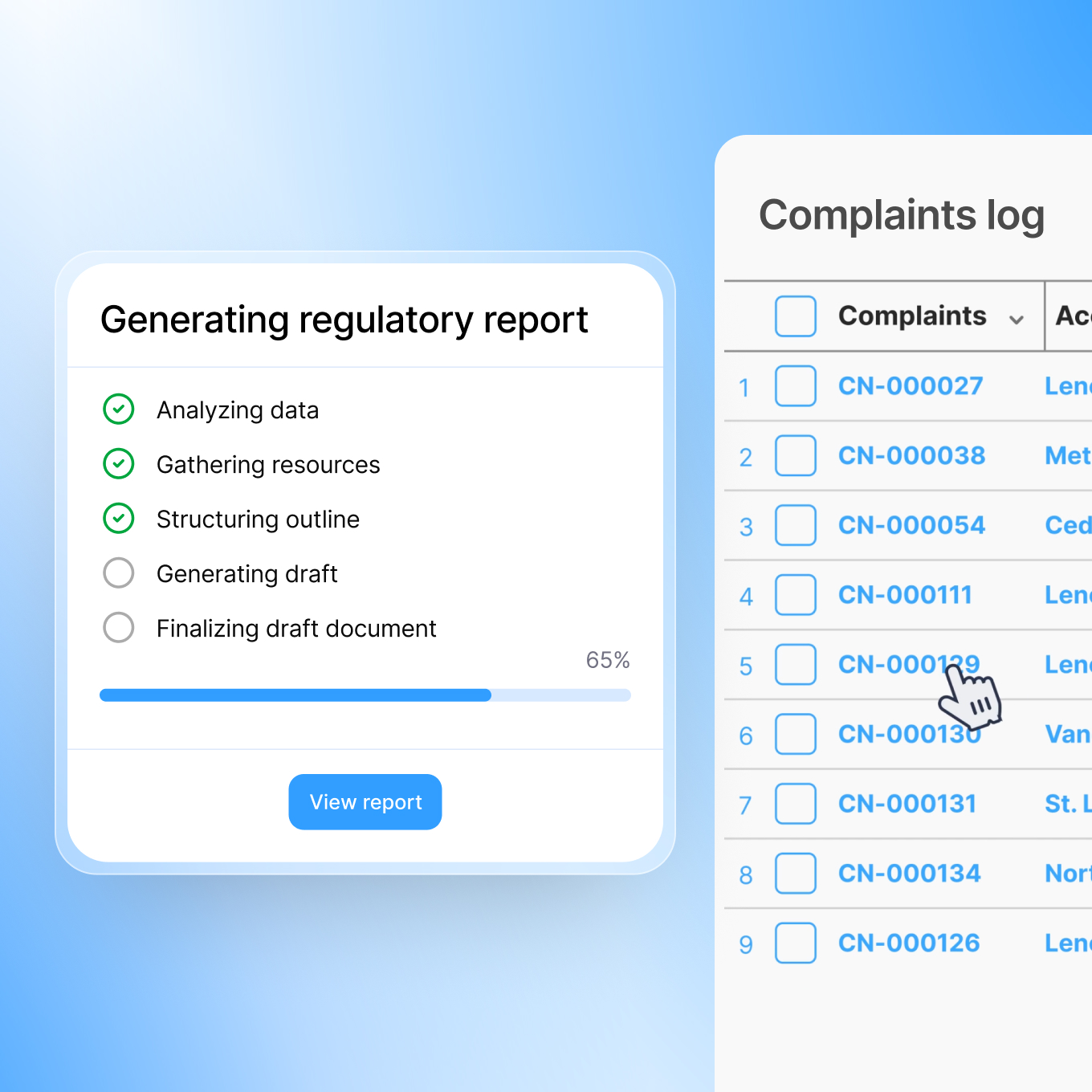
Regulatory reports typically require extensive manual compilation. Smarteeva automatically generates draft submissions and surveillance reports from your data, ready for regulatory review.
What most teams deal with

Preparing regulatory submissions is one of the most time-consuming tasks in post-market surveillance. A single MedWatch report requires gathering data from complaint records, adverse event assessments, investigation findings, product information, and patient outcomes, then mapping that data to the specific fields required by the regulatory framework. When you're doing this for MDRs, MIRs, CVRs, and PSURs across multiple regulatory agencies - FDA, EU, PMDA, TGA, the manual burden is staggering.
And then there are PMS reports. Under EU MDR and UK MDR, companies must produce Post-Market Surveillance Reports (PMSR), Periodic Safety Update Reports (PSUR), Post-Market Performance Follow-up Evaluation Reports (PMPF-ER), and other surveillance documents that require compiling complaint data, adverse event trends, literature references, and clinical evidence across entire product families. These reports have traditionally taken regulatory teams 100+ hours to compile manually, per report.

How Smarteeva AI Solves It

Smarteeva auto-generates regulatory submissions by mapping your complaint, adverse event, and quality data directly to the required reporting fields. For MedWatch and MDR reports, the system produces draft submissions with pre-populated fields, narrative sections, and supporting data - ready for your regulatory team to review, refine, and submit.
Before any submission goes out, Smarteeva validates data integrity and flags missing information. Fields that don't meet regulatory requirements are highlighted. Inconsistencies between the complaint record and the submission are surfaced. Your team catches errors before submission, not after an agency query. For PMS reports like EU PSUR, UK PSUR, EU PMSR, UK PMSR, PMPF-ER, and HCSR , Smarteeva delivers its most dramatic impact. The platform pulls data automatically from your complaint records, adverse event reports, and quality data, assembles the required sections, generates statistical summaries and trend analyses, and produces complete, audit-ready documents. What used to take your regulatory team 100+ hours of manual work per report is now completed in 8 minutes.
This isn't a template that you still have to fill in. It's a fully assembled document, generated from real data, formatted to regulatory specifications, and ready for expert review.

What Your Team Gets

Regulatory submissions that are generated, not assembled. Your team's time goes to ensuring submission quality and crafting accurate event descriptions - not copying data between systems.

06. ANALYTICS

Predictive analytics & Signal detection

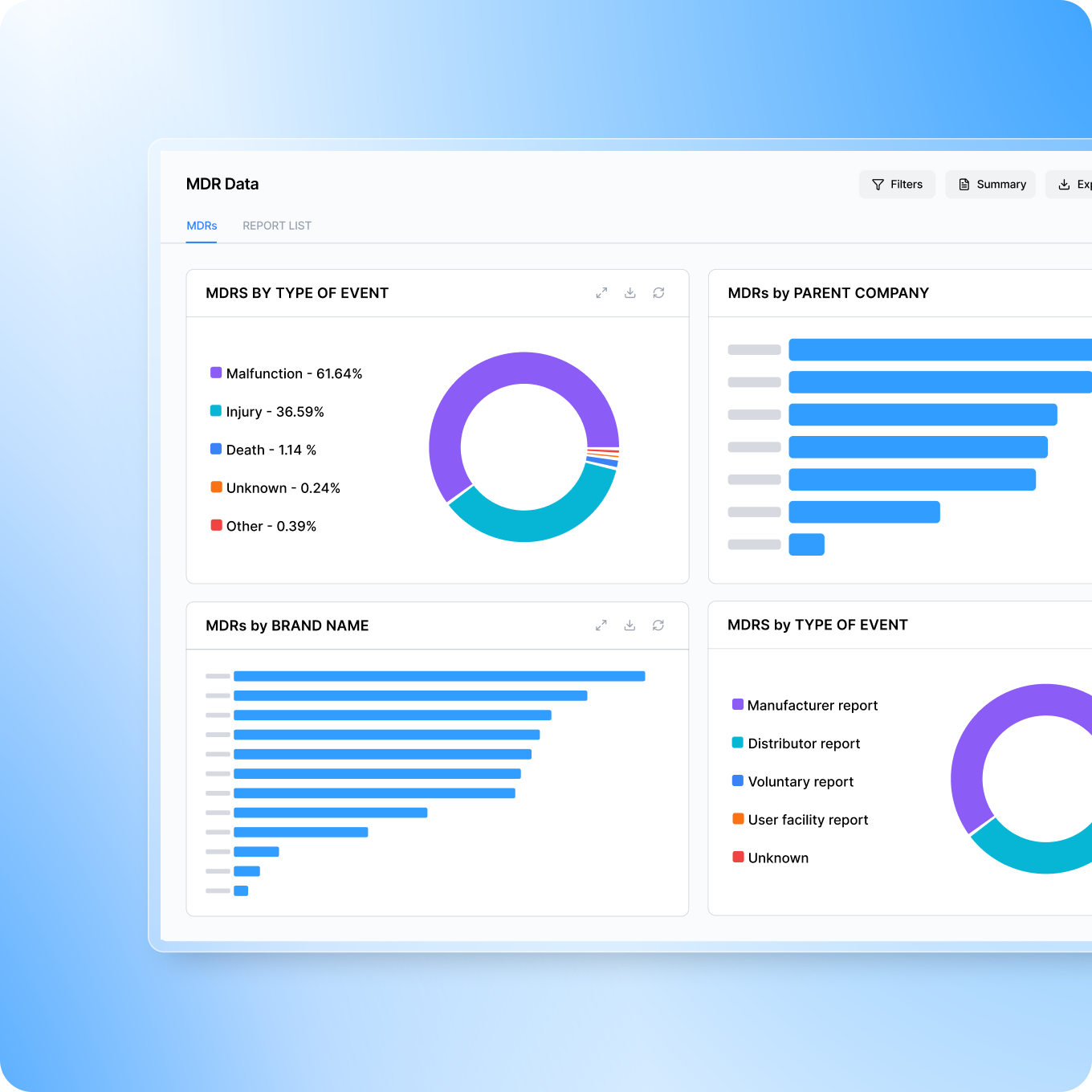
Quality trends are often discovered too late. Smarteeva AI analyzes complaint data in real time to detect emerging patterns, anomalies, and potential safety signals early.
What most teams deal with

Most medical device companies discover quality trends the hard way: during an FDA audit, during an annual management review, or after a cluster of similar complaints has already become a systemic problem. The data was there all along, but buried across complaint records, investigation files, and disconnected reports; no one could see the pattern until it was obvious.

How Smarteeva AI Solves It

AI continuously monitors complaint volume, severity distribution, and device-level patterns. It clusters complaints across markets and languages — translating and normalizing data so a complaint filed in Thailand about the same device issue filed in Germany is recognized as part of the same pattern. Anomaly detection flags statistical deviations from baseline complaint rates. Trend reports are generated on demand, not on a quarterly schedule.

What Your Team Gets

A quality system that sees problems coming instead of documenting problems that already happened. Your team drives continuous improvement with data, not retrospection.

Global Biotech & IVD Leader

From 100+ Hours to 8 Hours: How Smarteeva Automated PMS Report Generation for a Global Diagnostics Leader

Global Diabetes Management Leader

How Smarteeva Unified PSUR, PMSR, HSCR, and UK Reports on a Single Platform for a Global Diabetes Leader

Two Global MedTech Companies

Two MedTech Companies, One Platform: How Smarteeva's Agentic AI Adapts to Different Quality Strategies

The Question Every Quality Leader Asks: "Can We Use AI and Stay Compliant?"

Human-in-the-Loop - Always
AI recommends actions, classifications, and potential events, but every decision is reviewed and approved by your team before it becomes part of the official record. You decide where AI assists and where humans decide. That boundary is configured by your team, not hard-coded by ours.
Full Audit Trail - Every AI Action Logged
Every AI-assisted action in Smarteeva generates a complete audit record: what the AI recommended, what data it used to make the recommendation, and how the final decision was made.
Explainable AI - No Black Boxes
Every AI classification includes a clear explanation showing the language, factors, and signals that led the system to flag or categorize the complaint.
Regulatory-Grade Security on Salesforce
Smarteeva runs on enterprise-grade infrastructure with encryption, role-based access controls, and security protections trusted by the world’s largest organizations.
Built for Regulatory Workflows - Not Adapted for Them
Every workflow in Smarteeva whether complaint intake, investigation, reportability, regulatory submission, or closure, was designed around the specific requirements of FDA 21 CFR Part 803, EU MDR/IVDR Vigilance, and ISO 13485. The AI isn't a generic model retrained for MedTech. It was built for this domain.
Configurable Confidence Thresholds
Your team controls how conservative or aggressive AI recommendations are. Set higher thresholds for critical classifications - adverse event detection, reportability flags, and lower thresholds for routine tasks like field extraction. A three-person quality team with zero tolerance for false negatives configures differently than a high-volume team optimizing for throughput. Both are right. The platform supports both.
Resource

Download Our AI Compliance & Validation Whitepaper

PERFORMANCE METRICS

Proof that AI-assisted compliance actually scales.

3.7×
More explanations generated
94%
Faster understanding of unfamiliar code
Automate ( Weeks 1-4 )
Complaints flow into one system. Manual data entry drops dramatically. Nothing falls through cracks. Your team gets hours back every week.
Augument ( Months 2-3 )
Adverse events are caught faster. Complaints are triaged intelligently. Investigations start with context instead of blank forms. Your regulatory team focuses on judgment, not data entry.
Anticipate ( Months 4+ )
PMS reports generated in 8 minutes. Emerging trends visible in real time. Quality decisions driven by data and intelligence, not hindsight. Your team leads quality improvement instead of chasing compliance.

Questions?

We’re glad you asked.

What AI capabilities does Smarteeva offer for medical device companies?

Smarteeva offers AI-powered complaint classification, automated risk assessment using intelligent decision trees, natural language processing for adverse event detection, machine learning-guided investigation, AI-driven complaint summaries and translations, automated regulatory report generation (MedWatch, MDR, EU PSUR, UK PSUR, PMSR, and more), and predictive analytics with trend detection and signal monitoring.

Is Smarteeva's AI compliant with FDA and EU MDR requirements?

Yes. Smarteeva's AI is designed specifically for regulated medical device environments. Every AI action generates a full audit trail, every recommendation is explainable, and every decision requires human approval. The platform aligns with FDA 21 CFR Part 820, EU MDR (2017/745), UK MDR, ISO 13485, and other global regulatory frameworks.

Does Smarteeva's AI make autonomous decisions?

No. Smarteeva operates on a human-in-the-loop model. AI recommends classifications, flags potential adverse events, and suggests investigation paths, but a human quality or regulatory professional always reviews and approves before any action is taken.

How does Smarteeva generate PMS reports in 8 minutes?

Smarteeva's AI pulls data automatically from your complaint records, adverse event reports, and quality data, then assembles the required sections of post-market surveillance reports : including EU PSUR, UK PSUR, EU PMSR, UK PMSR, PMPF-ER, and HCSR. Statistical summaries, trend analyses, and regulatory-formatted sections are generated automatically, producing complete audit-ready documents.

What platform is Smarteeva built on?

Smarteeva is built 100% natively on Salesforce and AWS. This means enterprise-grade security, a familiar user interface for Salesforce users, click-not-code configurability, and seamless integration with Salesforce CRM, Service Cloud, and other Salesforce products.