Risk Management

Medical Device Risk Management Software

What is Smarteeva Risk Management?

Smarteeva Risk Management keeps your hazard analysis, severity model and FMEA inside the same platform that handles complaint intake and adverse event reporting.
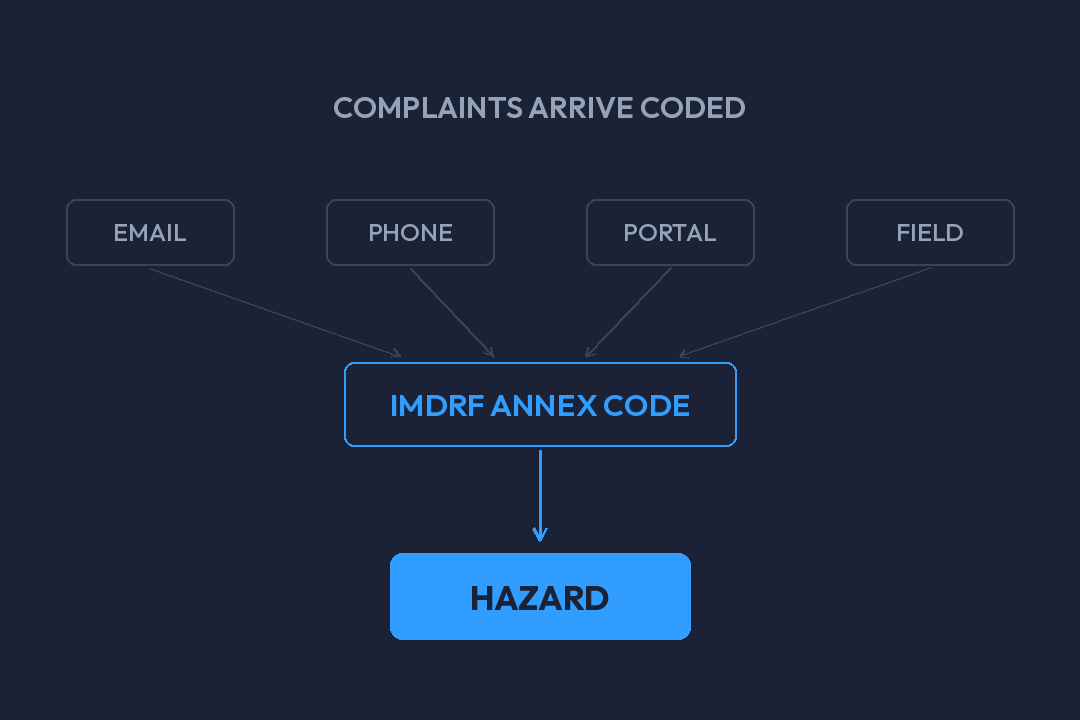
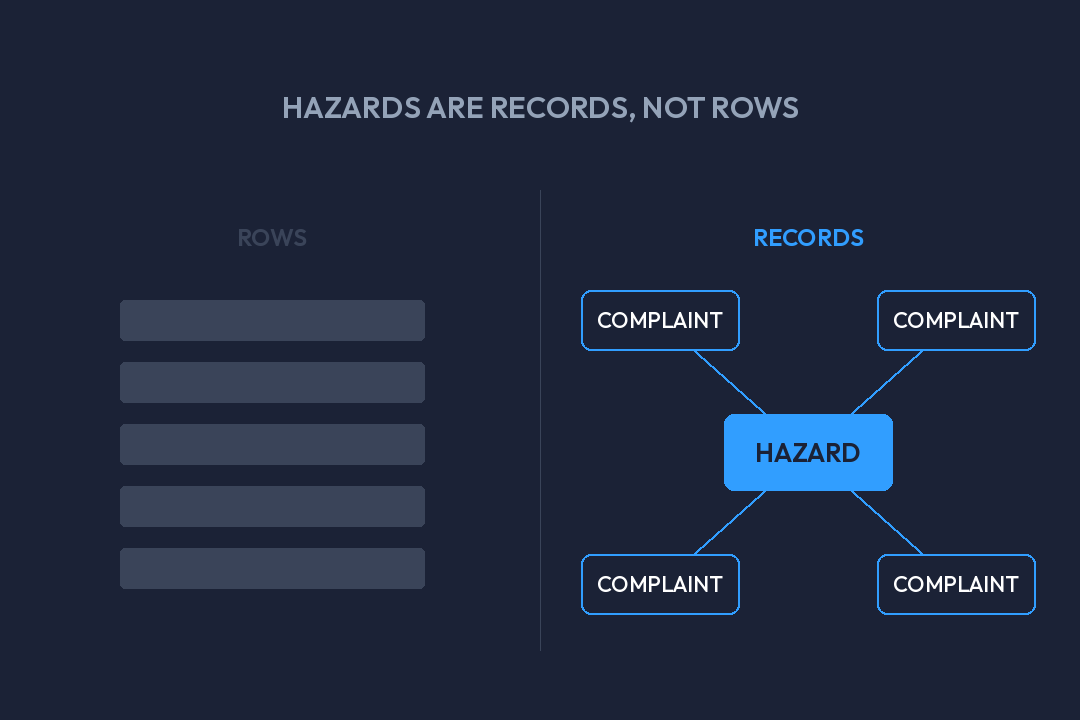
Hazards are records, not spreadsheet rows. Incoming complaints map to those hazards through IMDRF Annex codes, so the evidence behind every occurrence estimate stays traceable.
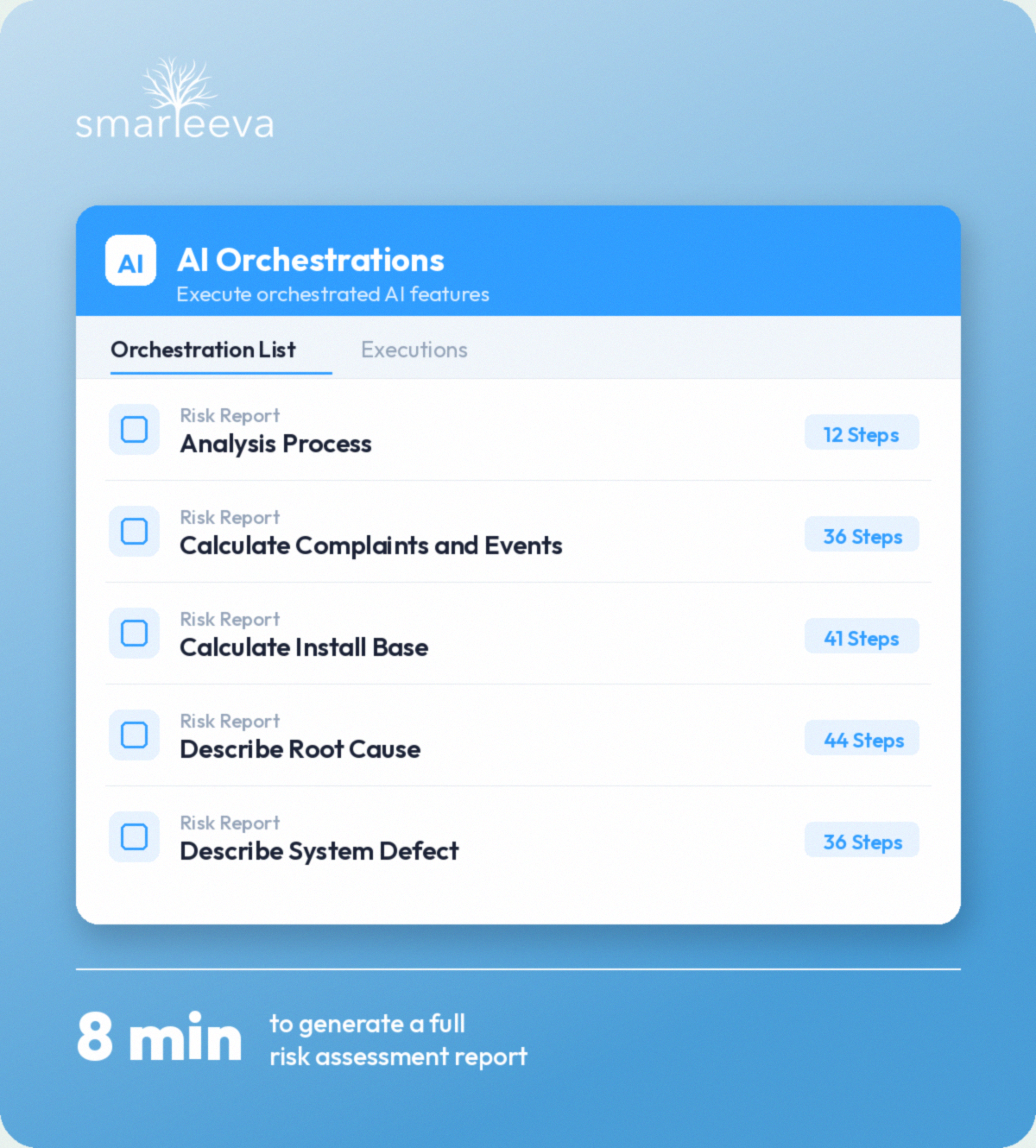
Risk assessment reports that took 1 to 3 months of manual work generate in 8 to 10 minutes.

Your hazards, severity model and FMEA live in the same platform as your complaints and adverse events. When the field tells you something, the risk file hears it.

Trusted by 450+ MedTech companies of every size

The Problem

Your risk file is a prediction. Your complaints are the answer.

Every risk file contains estimates made before the device shipped. For each hazard, someone judged how often the harm would occur, using test data and comparable devices. After launch, complaints tell you whether those judgments held.

How it works

How Smarteeva connects complaints to the risk file

Your risk file lives in the platform

Hazards, hazardous situations and intended use are recorded in Smarteeva, alongside your complaints and investigations. The risk file stops being a document that gets exported and starts being data that other processes can read.

Annex codes assign hazard and severity

Incoming complaints are already coded to IMDRF Annex terms for your regulatory reporting. Smarteeva uses that coding to assign the hazard and the severity level, from negligible through catastrophic, using deterministic rules rather than a model guess. The logic is inspectable, versioned and repeatable, which matters when an auditor asks how a classification was reached.

Occurrence is measured against real volumes

Unit and distribution data from Salesforce or your ERP provides the denominator, so occurrence is expressed as a rate rather than a count. The comparison against what your risk file assumed becomes arithmetic instead of an afternoon.

Reports generate from the same records

Orchestra runs the analysis workflows, and Smart Documents applies your report template. AI drafts the narrative sections from the ingested data. Your team reviews, edits and approves before anything is issued.

What Ships

What you get

Capability

Hazard and risk file records
Annex code to hazard mapping
Risk evaluation on every record
FMEA, pFMEA and dFMEA
Risk scoring and analytics
Denominator integration
Report generation
Salesforce-native
Validation package
The honest part

Configured to your risk file, not to a template

No two manufacturers share a hazard model. Smarteeva builds the analysis workflows on Orchestra against your risk file as it already exists, so the output matches the file your Notified Body has already seen. Implementation means configuration rather than a switch.

Your hazard model
Your severity scale
Your report format
Results

What Changes

35%
of FDA MDRs. One Platform.
In the first 6 months: 95% reduction in duplicates from bulk imports.
96%
First-pass extraction accuracy
Hazard mapping starts from clean field data, not from a re-typed record.
8 min
Risk assessment report generation
Down from one to three months of manual assembly.
WHY THIS IS DIFFERENT

 Why post-market surveillance is the right place for risk management

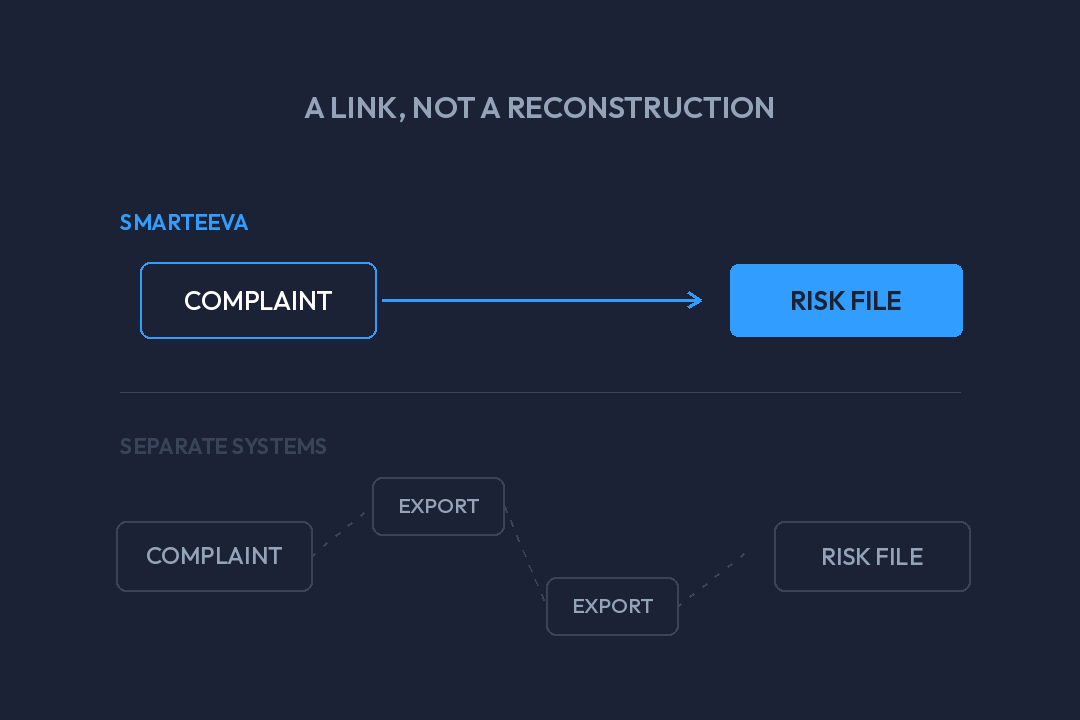
Most quality suites treat risk management as one module and complaint handling as another. The two exchange data through an integration, a report, or a person with a spreadsheet. That works until an auditor asks how a complaint trend changed your risk file.

Intake, IMDRF Annex coding and adverse event reporting run in the same platform. The coding your team already does for regulatory reporting becomes the link to the risk file.

Your risk file lives in the platform as data. Once a hazard is a record, a complaint can point at it, and the connection holds without anyone maintaining it.

Tracing a complaint trend to an occurrence estimate means following a relationship, rather than rebuilding a route between two systems that never shared a data model.

Questions?

We’re glad you asked.

Does Smarteeva replace our existing risk management file?

No. Smarteeva holds your existing hazards, hazardous situations and severity definitions as records. The structure stays yours.

How are hazards assigned to incoming complaints?

Through IMDRF Annex codes. Complaints are already coded for regulatory reporting, and Smarteeva uses that coding to assign hazard and severity through deterministic rules. The mapping is inspectable and repeatable rather than probabilistic.

Is the hazard assignment done by AI?

No. Hazard and severity assignment uses deterministic rules, which means the same input always produces the same output and the logic can be reviewed. AI is used to draft narrative sections of the report, which a person then reviews and approves.

Does it support FMEA?

Yes. FMEA, pFMEA and dFMEA are supported in the same platform as the complaint and adverse event records that inform them.

How long does a risk assessment report take?

Report generation runs in 8 to 10 minutes for customers who previously spent one to three months assembling the same report manually.

Is this ISO 14971 compliant?

Smarteeva supports the risk management activities ISO 14971 requires, including hazard identification, risk evaluation, risk control tracking and post-production information feeding back into the risk file. Compliance remains a property of your process and your documented decisions.